Finishing the School Year Strong: What Recess Can Teach Us About Our Own Capacity
May 14, 2026
The final weeks of the school year often feel different.
Energy shifts. Patience shortens. Small things feel bigger than they did in September.
Students are louder, quicker to react, or more withdrawn. Adults are holding more, with less space to recover between moments. Nothing is “wrong” …but something has changed.
At recess, a lot of our work involves paying attention.
We notice what’s typical on a given day…the general rhythm, the noise level, how students are interacting. And we notice when something shifts, even slightly. Those small changes often tell us when support might be needed, before things escalate. The same kind of awareness can apply to us.
Noticing What’s Typical for You Right Now
What does a “typical” day feel like for you at this point in the year? Not at the beginning of the year. Not on your best day, but right now.
What’s typical changes over time. Recognizing that shift isn’t lowering expectations…it’s responding to reality.
Recognizing the Signals
The same kinds of changes we notice in students can show up in us.
These aren’t signs that something is wrong with you. They’re signals…the kind of quiet information that tells us something needs attention, even if nothing has gone “wrong.”
Responding Early and Lightly
At recess, we know that small, early responses can prevent bigger problems later. The same is true here. Responding early doesn’t mean doing more. It often means doing less, sooner.
These are small shifts…but they can change the direction of a day.
A Different Way to Think About “Zones”
When we think about designing recess environments, it’s helpful to create different areas…spaces for movement, quiet, connection, and rest. Not because students need to be managed, but because their needs change throughout the day.
As adults, our days are structured differently, but our needs aren’t so different.
Even in a full day, it can help to notice:
These moments may be small. But noticing them…and protecting them when possible…can make the day feel more manageable.
Carrying This Into the Final Weeks
We often respond quickly when we notice a shift in a student’s behaviour or energy. This time of year is an opportunity to offer ourselves that same awareness. Finishing the year strong doesn’t always mean doing more. Sometimes it means noticing what’s changed, responding with care, and allowing yourself to move through these final weeks with a little more awareness, and a little less pressure.
If This Resonates
Does this reflection feel familiar? If so, you’re not alone.
If it’s helpful, I’ve created a short reflection tool to support this kind of noticing during the school day. It’s simple, flexible, and designed for real moments…not extra work.
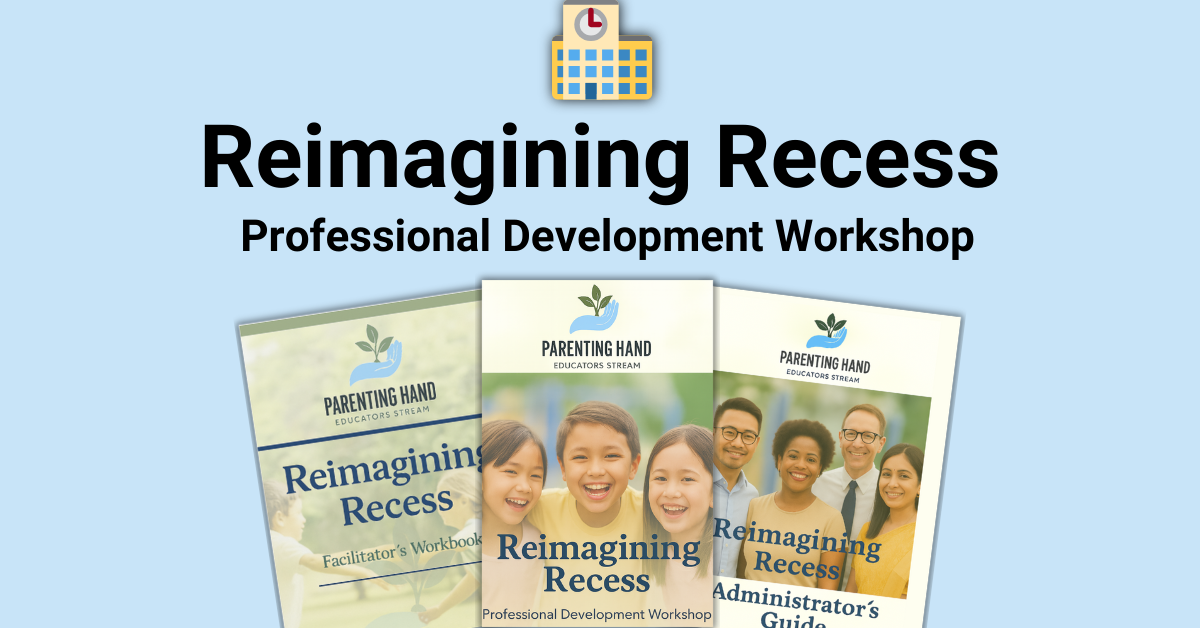
For schools looking for a deeper approach, I also offer Reimagining Recess, a professional development workshop to help reduce recess incidents and staff burnout.
You can get access to this digital PD for your entire school here
Download The Free Recess Toolkit!
Make a difference in your school immediately with this easy to use pack of posters including game rules, staff scripts, and conflict resolution strategies.